What this is, in plain words
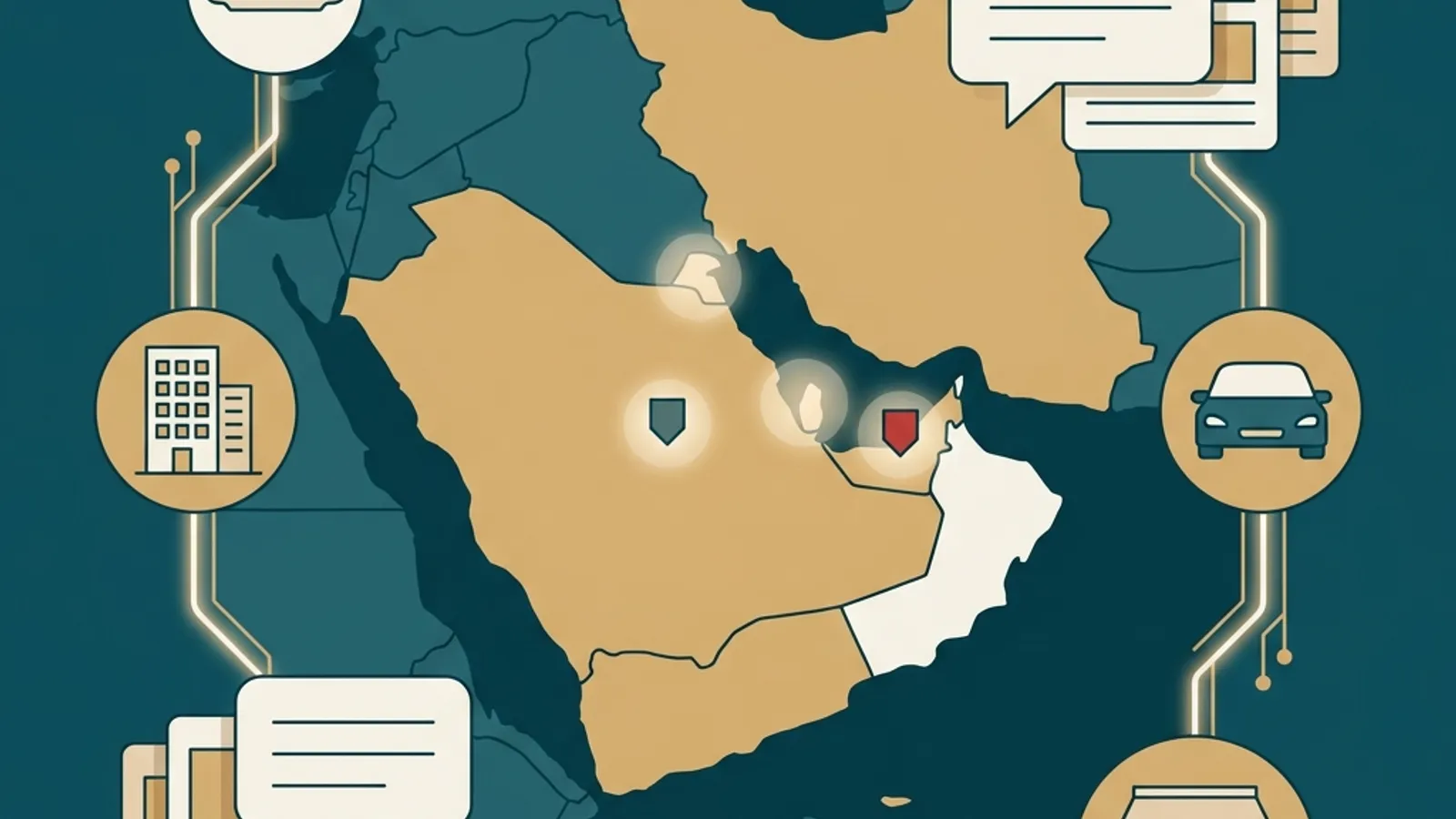
A family in Doha asks ChatGPT: "where can we eat mandi tonight, with a private room for 12?" A couple in Kuwait asks Gemini: "quiet brunch, not too expensive, good for a birthday". Someone in Salalah asks for "a hotel for kids with a pool". The assistant writes one short answer and names a few places. GEO (making sure AI names your business and gets its details right) is the work of being one of them.
Why it matters for hospitality
Hospitality questions describe a moment, not a keyword. The assistant has to match that moment to what it has read: your reviews, your menu page, your Google listing, and articles or videos that mention you. If the only page that mentions a "private room" is a photo on Instagram, the assistant has nothing to match.
Three small problems I see often:
- The menu is a PDF or a photo, so prices are not readable by a machine, and the assistant guesses or skips you.
- Opening hours differ between Google, the website and Instagram, especially in Ramadan and on holidays.
- Reviews mention "great for kids" or "quiet", but the restaurant's own page never says so.
I cannot say how many of your guests already ask AI first. Ask at the table, "how did you hear about us?", and add "ChatGPT / Gemini" as an option on your booking form.
A 10-minute check you can do today
- Open ChatGPT, Gemini and Perplexity in a private window.
- Ask, with your city and cuisine: "وين ألقى مطعم زين للعشاء مع العائلة بالدوحة؟", "مطعم هادي للفطور بالكويت يناسب عيد ميلاد", "Best brunch in Dubai Marina for a group of 8", "Family hotel in Salalah with kids club", and "[your name] opening hours, menu and phone".
- In a sheet, record: were you named, is the information correct (hours, address, price level), what reason did the assistant give, who else was named, and which sites were shown as sources.
- Repeat the questions on another day.
The reason the assistant gives is gold. It tells you which words people connect to the places that win.
Seven fixes you can do this week
1. Put the menu in text
How: create a page with your menu as normal text, with prices, in Arabic and English. Keep the PDF if you like, but add the text as well. Mark what is halal-certified, vegetarian or suitable for kids only if it is true.
2. Add an "occasions" section to your facts page
How: write a short section answering: Do you have private rooms and for how many people? Kids menu? Prayer space? Outdoor seating? Do you take group bookings, and how far in advance? Are you quiet or lively? Use the plain words guests use. See the company facts page guide.
3. Make your Google profile accurate
How: open your Business Profile, check category, address, phone, website and hours. Add holiday and Ramadan hours as special hours. Google lists the rules in its representation guidelines, including that some business types such as hotels should not list opening hours at all. Look for the menu and services options in your profile, and for restaurants see Google's page on popular dish names. For editing basics see Edit your Business Profile.
4. Add real photos
How: upload photos of the real dining room, the private room, the pool or the rooms, not stock images. Google explains uploads in photos and videos.
5. Reply to reviews in the guest's own words
How: when a guest writes "perfect for a family dinner", thank them and mention that you have a family section. When a review is negative, reply calmly and say what you changed. Google describes replying to reviews. Ask guests honestly for reviews after a visit, perhaps with a small card with a QR code. Do not offer discounts or free dishes for reviews: Google's Maps policy prohibits incentivized reviews, and they get removed.
6. Check how the other listings describe you
How: search your name and open every listing: delivery apps, booking sites, tourism portals, local blogs. Correct the hours, the address and the description. Pick one version of your name and use it everywhere.
7. Reach the people who write about your area
How: write a short, friendly email to two local food or travel bloggers or magazines with something genuinely new: a new menu, a renovation, a seasonal offer. Do not ask for a favor and do not pay for fake coverage.
What this can and cannot do
No one can promise that an AI will recommend your restaurant or hotel, and answers change. Good information will not make up for a bad experience. Google says there is no special optimization needed to appear in its AI features other than being indexed and eligible for a snippet (AI features and your website). Other assistants rely on other sources. One analysis found Reddit made up 46.7% of Perplexity's top ten cited sources, while ChatGPT leaned most on Wikipedia (Profound, August 2024 to June 2025). So being mentioned in several places matters more than one perfect page.
How to know it worked
Once a month, repeat the same questions and log the answers. Wrong hours and menu details should clear in weeks. Being named for an occasion takes longer. Track "how did you hear about us?" on bookings.
If you want a hand
The free GEO report runs occasion questions for your city. For help with the results, you can book a call with me. If you also want to fill slow nights with paid social ads, our Meta and TikTok ads service is one option.
Key takeaways
- Guests describe an occasion; AI matches it to menus, reviews and listings
- Put your menu, prices and occasion details in text, not only in PDFs or photos
- Keep hours identical on Google, your site and social, including Ramadan and holidays
- Reply to reviews in the guest's words; never buy reviews
- No one can guarantee a recommendation; re-check monthly