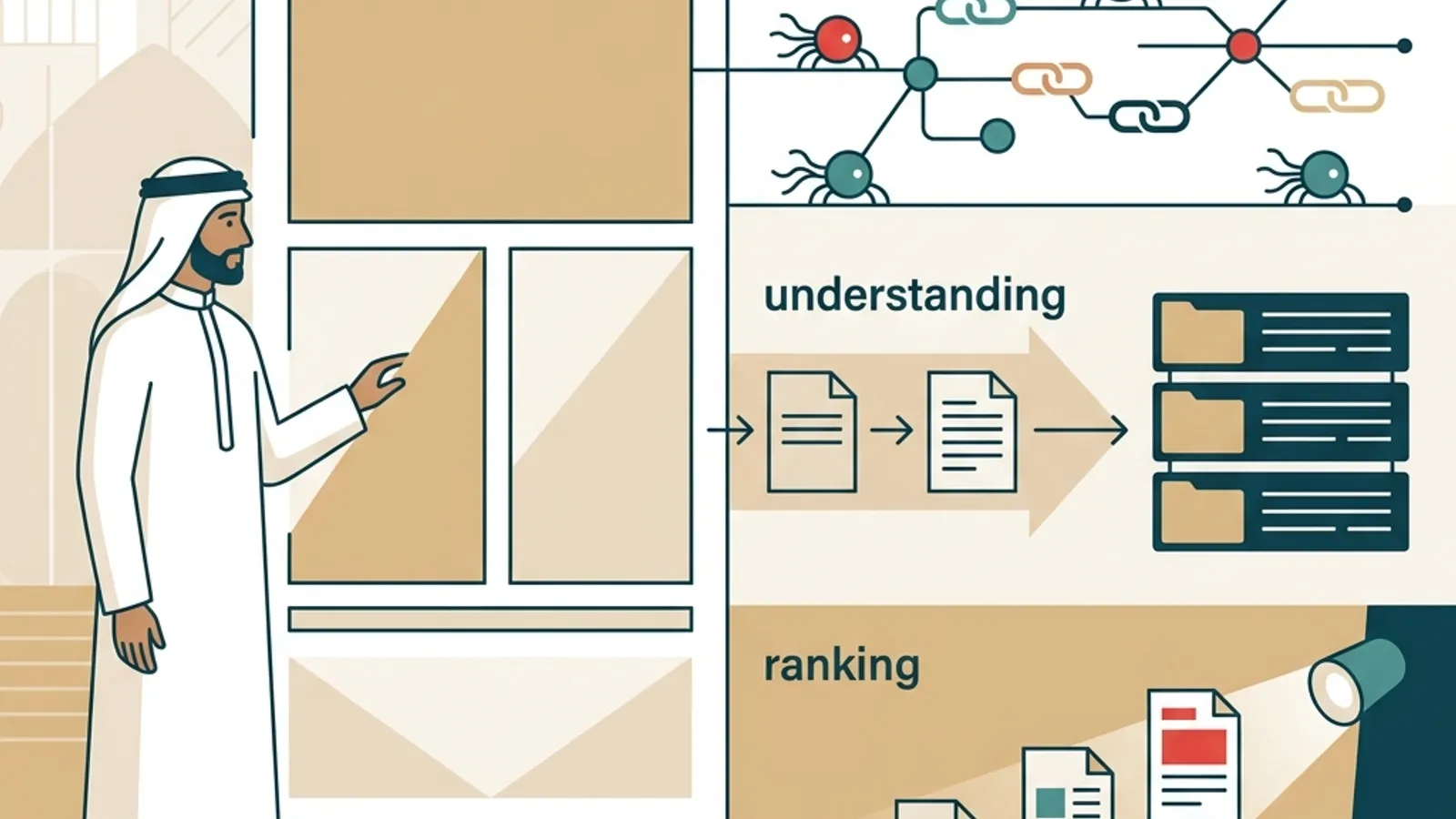
What a core update is, in plain words
A few times a year Google makes a broad change to how it ranks pages. It calls this a core update. It is not aimed at one website. Google's own guidance says core updates don't target specific sites or individual pages, and that most sites don't need to worry about them and may not even notice one happened.
If your traffic moves after one, it usually means other pages are now judged more useful for those searches, not that Google is punishing you.
The dates, from Google's own dashboard
Google lists its ranking updates on the Search Status Dashboard. These are the ones it shows for the period, with the start and approximate end dates:
- December 2025 core update: 11 to 29 December 2025
- February 2026 Discover update: 5 to 26 February 2026 (this one affects the Discover feed, not normal search)
- March 2026 spam update: 24 to 25 March 2026
- March 2026 core update: 27 March to 8 April 2026
- May 2026 core update: 21 May to 1 June 2026
- June 2026 spam update: 24 to 26 June 2026
- August 2026 spam update: 18 to 20 August 2026
- September 2026 spam update: 24 September to 7 October 2026
The dashboard shows only recent history. Earlier updates are in its full list.
I'm not going to tell you which industries "won" or "lost" in these updates. Google doesn't publish that, and the trackers that do are guessing from samples. Check your own data instead.
Why it matters for a Gulf business
Three typical situations.
A Kuwaiti dental clinic sees clicks fall in the weeks after the March update. The owner panics and rewrites every page. The traffic hadn't come back by May, because the rewrite didn't answer what was missing.
A Riyadh electronics store sees nothing change, because its product pages were already clear, current and honest. Nothing to fix.
A Dubai agency published 80 near-identical "best X in Dubai" pages last year. A spam update hits them. This one is a real problem, and I'll cover it below.
A 30-minute self-check
Google tells you how to read a drop, so follow its order.
- Check that the update has finished. Look at the dashboard above. Don't judge anything while it is still rolling out.
- Wait a week after it ends. Google's advice is to wait at least a week after completion.
- Compare the right weeks. In Search Console's Performance report, compare the week after the update finished with the week before it began. Use clicks and impressions.
- Find which pages moved. Sort by page, then by query. Is the drop on a few pages or across the whole site?
- Look at who now ranks above you. Search your lost queries, in Arabic and in English. Are the pages ahead of you more complete, more recent or from someone with first-hand experience?
- Check the date. Did the drop start in the update window, or before it? A drop that began earlier has another cause, such as a technical problem.
What to do if you were hit
1. Do nothing drastic if the drop is small
Google says that for a small drop, you shouldn't take drastic action or change content that already performs well. How: note the numbers and re-check in a month.
2. Compare your pages against Google's questions
Google's guide to helpful content asks whether a page has original information, whether an expert wrote or reviewed it, whether it leaves the reader with enough to reach their goal, and whether it was written mainly for search engines. How: print the questions, take your five biggest lost pages, and answer honestly for each.
3. Show who wrote it
Google says to make authorship clear, with bylines linking to author background. How: add a real name, role and short bio to guides and articles. For health or legal content, name the doctor or lawyer who reviewed it. Don't invent anyone.
4. Add what only you know
How: for each weak page, add something a competitor can't copy: your real prices, your process, photos of your own work, answers from actual customer questions, local details of your area.
5. Remove or merge thin pages
How: if you have ten pages that say almost the same thing, merge them into one good page and redirect the old ones. Google calls deleting content a last resort for a reason, so do it only for pages with no value.
6. Check you are not renting out your site
Google's spam policies cover "site reputation abuse", meaning third-party content published on your site mainly to borrow your ranking strength, and "scaled content abuse", meaning many pages generated mainly to manipulate rankings, including with AI tools. How: look through your site for sections written by others for a fee, or batches of near-duplicate pages. Remove or fix them. If you ever get a manual action message in Search Console, fix the cause it names first.
7. Keep the basics working
How: pages indexed, mobile speed good, business details identical everywhere. See our technical SEO checklist.
What to expect, and what not
Google says that some changes can show an effect within days, but that it could take several months for its systems to learn and confirm that a site has improved. If nothing improves after a few months, the next core update is where it may show. Google also says there is no guarantee that changes will make a noticeable difference. I won't promise you a recovery either. Anyone who sells you a "core update recovery in 30 days" is guessing.
How to know it worked
Check Search Console once a month, never daily. Compare the same period each month. After the next core update finishes, wait a week and run the self-check again. Keep a note of what you changed and when, so you can link a result to a change.
If you would rather not do it by hand
All of this works without us. SEO and GEO are largely the same job, and good pages usually serve both. If you want the AI side checked, DigitalCite's free GEO report shows what AI tools say about your business, and you can book a call if you want a second opinion on a traffic drop.
Key takeaways
- Core updates are broad changes, not penalties; Google says most sites don't need to act
- Wait for the update to finish and then a week more before comparing weeks in Search Console
- For a small drop, don't do anything drastic; for a big one, assess pages against Google's people-first questions
- Avoid thin, mass-produced or rented-out content, and expect any recovery to take months, not days